
Schaller Groups
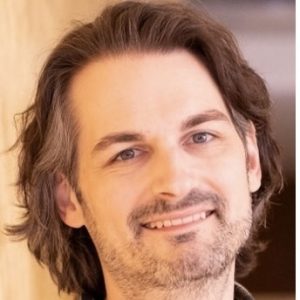
Dr. Alexander Lercher
____________
Schaller Research Group Leader,
Department of Infectious Diseases
Im Neuenheimer Feld 344
69120 Heidelberg, Germany
alexander.lercher@med.uni-heidelberg.de
We study how cells integrate inflammatory signals and establish epigenetic memory in viral disease.
Humans encounter a plethora of microbes daily. Immune cells are the first responders to fend off pathogens, but can also cause life-threatening hyperinflammatory dysregulation. We focus on viral infection, where this balance is particularly precarious. Viruses and cytokines are prime inducers of inflammation, but cell-intrinsic and extrinsic factors, including cell identity, tissue environment and even diet, influence immune responses. Another regulatory layer comes from past inflammatory encounters, which result in durable epigenetic memory that alters secondary immune responses. There is a gap in our understanding of how cells integrate this myriad of immunological and environmental cues to mount adequate acute responses and establish epigenetic memory. In the Lercher lab, we take a holistic approach to map the underlying molecular networks and decipher the black box of inflammatory signal integration and memory formation. We combine tractable primary cell culture systems with mouse models of viral infection to recapitulate real-world pathogen encounters. Using next-generation sequencing, real-time imaging, genetic engineering and immune profiling, we aim to build a framework of signal integration and cell-cell communication across tissues in health and disease. Our overarching goal is to uncover fundamental principles of immunity that underlie disease development, progression and resolution, to enable new therapeutic approaches and boost pandemic preparedness.
For Alexander Lercher’s publications see his Google Scholar profile: https://scholar.google.com/citations?user=7pbURu8AAAAJ&hl=de.